

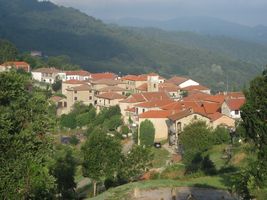
 It was once written about Bergolo: "There is a suitcase full of dreams and nostalgia hidden in one of the highest Langa mountains, where the wind draws colour and light, where the snow and the sun tell of hard work and the desire to celebrate. To open this suitcase, you need only to drive up the road to Bergolo ."
The name comes from the Late Latin Bergolo or "Bergolum," meaning place of the heather or heath land. The first records of Bergolo are from the year 1091, when the village passed into the possession of Bonifazio de Vasto. In 1500 it came under the rule of the Savoy, which did not change until the end of the monarchy. The Count Calvi of Bergolo was the last owner.
Bergolo was also popular for experimenting with "green weeks," from which developed the concept of "agritourism."
Geographically, Bergolo belongs to Langhe area, to which is connected the memory of the Pavese and Fenoglio names, but those refer to is the fields of truffle and great wines around Alba. Bergolo, close to the border of Piemonte and Liguria, sits on the ridge between the Bormida and the Uzzone Valley, but the area is Arcadian and naturalistic.
Today, Bergolo is one of the best-equipped tourist villages of Alta Langa. Its structures include a modern holiday village with a swimming pool, camping grounds, and a bungalow complex, including comfortable wooden chalets and a well-equipped hostel with 90 beds and places for tents and caravans.
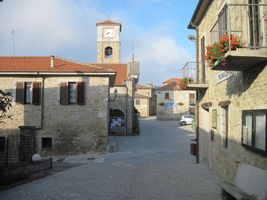
We must also mention the two historical and artistic important buildings: the Romanesque chapel of San Sebastiano (12th century) and the parish church (17th century).
In recent years, the name Bergolo has become known far beyond the borders of the region thanks to two important events. Every last Saturday of May is celebrated with Cantè Magg, featuring international spring songs and dances, and during the second weekend of September, the International Meeting of Street Artists in Bergolo occurs. "The taste of the stone" is a market with the typical gastronomic and artistic products of the Bormida valley, which will be held in September on the first weekend, and "musical training courses" with respective concerts are held in July and August, filling the streets and alleys with music throughout summer and giving the village an artistic flair. This creative atmosphere can be experienced at other times as well thanks to the art competition "Bergolo, village of stone," which brings artists from all over Italy to Bergolo each year. These artists decorate the plain stone walls of the houses with their new works.
Today, a few years after the creation of this competition, you can admire many works in this valuable outdoor gallery, including mosaics, paintings, frescoes and sculptures. Bergolo’s title of “village of stone” is due to the renovation of house and building walls with the area’s native sandstone. These renovations have heavily influenced not only the village, but also the hamlets of Bergamaschi and Case Vola. The village has plenty of reasons to visit. In 2007, the village won the Italian "Comune Fiorito" competition celebrating the beauty and natural elements of the area. At the moment a spectacular amphitheatre is being built; this EU-backed project presents ground breaking aspects in terms of tourism in Piedmont.
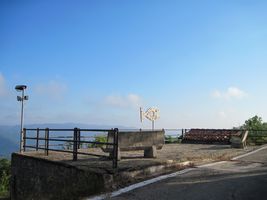 You can find plenty of interesting and stimulating things to do in and around Bergolo, whether on foot, by bike, or by horse on old paths, whether on a walk through the music and colours of the village or sitting at a table enjoying delicious food and wine with a great and inspiring panorama before you.